Myopia Management in Skippack, PA
A Calm, Proven Approach to Slowing Nearsightedness in Children


What Is Myopia & Why Does It Progress in Children?
Myopia, or nearsightedness, is when distant objects appear blurry while close-up vision remains clear. It often begins in childhood and tends to progress as the eye grows. In most cases, this means a child’s vision continues to worsen year after year, requiring stronger glasses or contacts.
What many parents don’t realize is that progressive myopia can increase the risk of serious eye conditions later in life, including:
- Retinal detachment
- Glaucoma
- Cataracts
- Macular degeneration
Managing myopia early can help slow this progression and protect your child’s long-term vision.
How Do You Know If Your Child Needs Myopia Management?

Your child may benefit from myopia control if:
- They have already been diagnosed with nearsightedness
- Their prescription increases every year
- They squint or sit close to screens and whiteboards
- There is a family history of myopia
- They are between the ages of 6 and 18
We typically begin monitoring around age 6 to 8, which is when most progression begins.
What Myopia Control Options Are Available at Skippack Vision Family Eyecare?
We use evidence-based treatments tailored to your child’s needs, comfort, and lifestyle:
1. Atropine Therapy
Low-dose atropine drops are applied nightly to slow eye growth. This treatment is safe, well-tolerated, and often used in younger children or combined with other methods.
2. MiSight® Daily Contact Lenses
FDA-approved soft contacts are worn during the day. These correct blurry vision while actively slowing myopia progression.
3. Orthokeratology (Ortho-K / CRT / VST)
Gas-permeable lenses are worn overnight to reshape the cornea gently. Vision remains clear during the day without glasses or contacts, which is a great option for active kids.
4. Axial Length Measurement
We track the physical growth of the eye using non-invasive digital tools. This helps us monitor changes more precisely and adjust your child’s plan as needed.

Is Myopia Management Safe & Comfortable for Kids?
Yes. All the treatments we offer have been clinically tested and are safe for pediatric use. Most children adapt quickly, especially with options like:
- Daily disposable lenses (MiSight®)
- Atropine drops with easy application
- Nighttime-only lens wear (ortho-k)
We always make sure the treatment fits your child’s lifestyle, school schedule, and comfort level.
What Happens at a Myopia Consultation?
During your child’s visit, we will:
- Review their vision history and current prescription
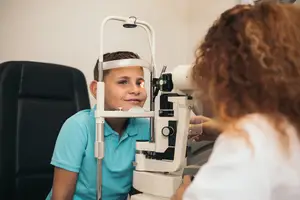
- Perform a comprehensive pediatric eye exam
- Measure axial length and eye shape
- Discuss any changes since their last visit
- Explain treatment options clearly, without pressure
We partner with you every step of the way.
How to Get Started With Myopia Management
If you are noticing changes in your child’s vision, or if their prescription increases every year. We are here to help. Early action can make a lasting difference.
Call our Skippack office to schedule a myopia consultation and learn which options are right for your child. No pressure, just practical support from a team that cares.