
Eye Disease Management in Skippack, PA
Medical Eye Tests. Preserving Independence. Staying Ahead of Change.


Why Long-Term Eye Monitoring Matters
Some eye diseases develop slowly and silently, often without noticeable symptoms until damage has already occurred. That’s why routine eye checkups are so important—they allow subtle changes to be detected early, before vision is affected. The best approach to care is a steady one: thoughtful monitoring, clear communication, and action when it counts.
Whether you are managing a known condition or just staying proactive, our goal is to help you understand what is happening in your eyes and what can be done to protect your vision for the long haul.
What Eye Conditions Do We Manage?
We care for a wide range of chronic and progressive eye conditions, including:
Glaucoma
A group of conditions that can damage the optic nerve, often because of elevated eye pressure. Glaucoma can lead to permanent vision loss without treatment, but with early detection and routine monitoring, most patients maintain their vision and quality of life.
Diabetic Retinopathy
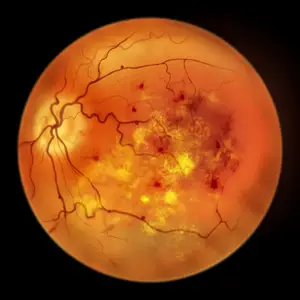
High blood sugar levels can affect the tiny blood vessels in the retina. We monitor changes carefully using advanced retinal imaging and communicate closely with your primary care physician or endocrinologist.
Macular Degeneration
Age-related macular degeneration (AMD) affects central vision. Regular exams help us track progression and recommend lifestyle changes, supplements, or referrals when needed.
Cataracts
As the eye’s natural lens becomes cloudy over time, it can affect clarity and night vision. We monitor changes, refer for surgery when right, and continue your care before and after the procedure.
How We Monitor Eye Disease
We use advanced imaging and testing to track your eye health over time, including:
- OCT scans for detailed cross-sections of the retina and optic nerve
- Optos widefield imaging to view the back of the eye without dilation
- Visual field testing to check for blind spots or peripheral vision changes
- Eye pressure measurement (tonometry)
- Axial length and retinal thickness tracking
These tools allow us to detect subtle changes often before symptoms appear and help us adjust your care accordingly.

What Makes Our Approach Different
We take the time to explain what we are seeing, why it matters, and what your options are. Whether you need routine care or specialized services such as digital eye strain treatment, our goal is to ensure you feel informed and confident in every decision. Many of our patients have been with us for years and trust us to walk alongside them through changes in their eye health, no matter how big or small.
When referrals or surgical care are needed, we coordinate with specialists and make sure you feel supported before, during, and after.
Concerned About an Eye Condition? We Are Here to Help.
Whether you have been diagnosed with a condition or just want to stay ahead of potential changes, we are ready to support your care with clarity, consistency, and the tools to make a real difference.
Call Skippack Vision Family Eyecare to schedule an evaluation or follow-up.